
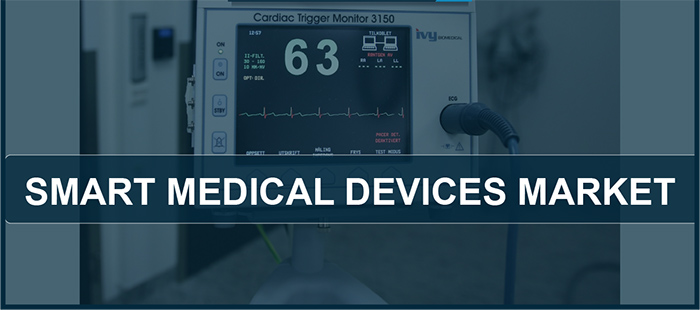
Increased awareness during the COVID-19 crisis and public efforts to strengthen the development of healthcare technologies has boosted the smart medical devices sector.

Increased awareness during the COVID-19 crisis and public efforts to strengthen the development of healthcare technologies has boosted the smart medical devices sector.

A look at the factors contributing to the slow adoption rate of these devices in the OR, along with how the industry can increase adoption.

U.S. companies are increasingly engaging with organizations worldwide to push innovation in nanotechnology forward.
There are also reports that Elizabeth Holmes, as part of her defense, may argue ex-boyfriend and former Theranos President Sunny Balwani abused her during their relationship.

Integration with advanced AI systems and a rapidly expanding application scope will position medical robots among the key solutions for efficient, accurate and safe healthcare service delivery.
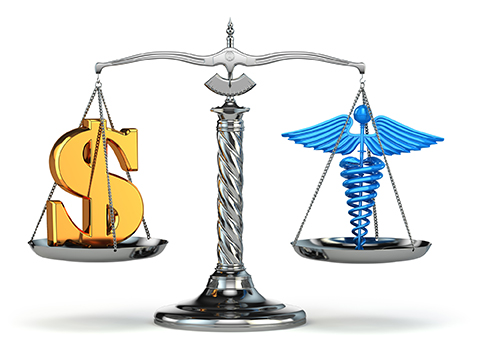
The pandemic has accelerated a revolution in medtech, impacting how companies approach their business strategy as well as how healthcare systems interact with medical device companies.
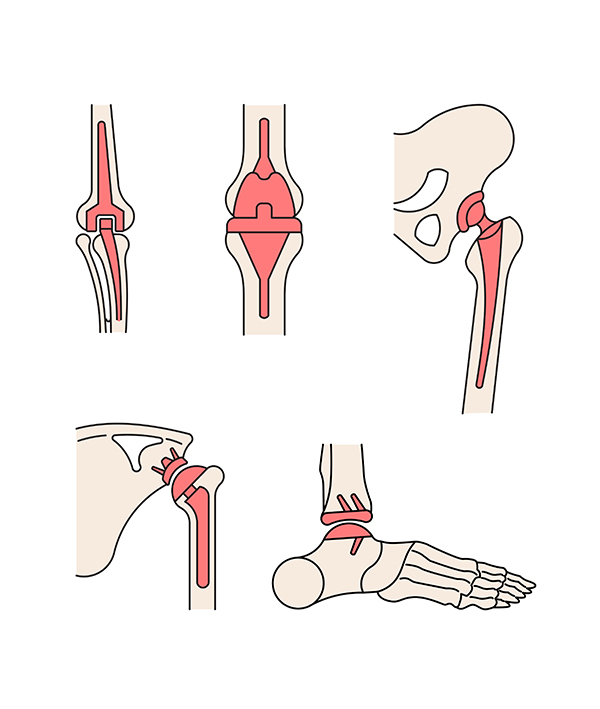
The dynamics of the joint reconstruction devices industry has strengthened with consistent technological improvements, including the adoption of 3-D printing.

In a company release, Gorsky stated the decision comes at the right time both professionally as well as personally, as he must focus on family health. Current Vice Chairman of the company’s executive committee, Joaquin Duato, will serve as new CEO, effective January 3, 2022.

As more medtech companies take advantage of the game-changing technology to innovate and advance products, they must anticipate the need to obtain trustworthy, evidence-based comprehensive data—and be prepared to do their own due diligence to verify the chain of evidence and meet increasingly stringent regulatory requirements.

Modern technology has given rise to new legal questions. How does FDA regulate machine-learning computers that are changing so rapidly – given that the approved product may be drastically different than the product that ends up on the market? These questions arise from a lack of understanding of the complex nature of AI/ML-based SaMD, the opaqueness of the regulatory framework, and a dearth of relevant case law.


