

In this new survey, medtech manufacturers are invited to share their perspective on business initiatives, manufacturing execution systems and latest challenges.

In this new survey, medtech manufacturers are invited to share their perspective on business initiatives, manufacturing execution systems and latest challenges.

The continued threat of COVID-19 and prevalence of cardiac disorders are some of the key factors driving telemedicine industry expansion worldwide.

It is critical for leaders in the medtech space to ensure that nonviable medical devices and equipment are destroyed properly, while focusing on long-term sustainability goals.

The increasing incidence of hearing loss and neurological diseases has prompted the development of convenient and enhanced solutions in wearable healthcare devices.

The Medical Device Regulation (EU) 2017/745 became the applicable EU law on May 26, 2021. After a four-year transition period, is anyone ready? Well, let us have a look.
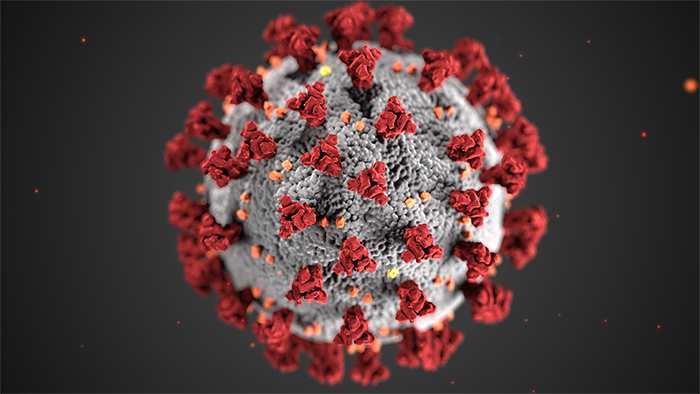
Diagnostic advances bode well for the imminent expansion of the global COVID-19 detection kits market, which is expected to be worth $8 billion by 2027.

Greater use of next generation sequencing can better prepare the world for future diseases and accelerate the adoption of precision care.

As organizations continue to use technology to enhance the way they provide care, changes must be made to ensure the interoperability of the technology, patient data and continuity between providers.

Edge computing brings processing and storage closer to data’s source rather than sending it to a distant data center in the cloud. Edge computing also complements advanced technologies such as artificial intelligence (AI). Here’s a look at why it facilitates the medical imaging progress.

Healthcare services are expanding their ability to leverage data for use cases such as diagnostics, personalized treatment, imaging analysis, patient trend analysis, outcomes predictions, automation and more.


