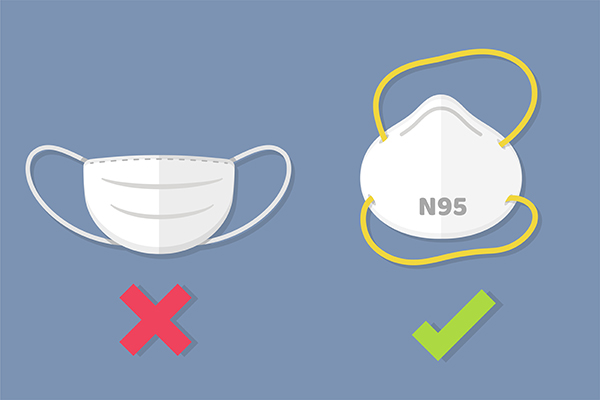
Amidst COVID-19 Pandemic, Scams Involving Personal Protective Equipment Emerge

As the saying goes, if it looks too good to be true, it probably is.

As the saying goes, if it looks too good to be true, it probably is.


Recalls for failure are chronic in the medical device industry. The sources of those failures could originate anywhere in the supply chain. Fixing supply chain issues is ultimately the responsibility of the instrument’s maker.


Although the medtech industry is expected to enjoy steady growth, device companies are still challenged to attract the skilled labor that manufacturing requires.


2020 should be a pivotal year in which the microcosm of medical devices moves out of the shadows and joins the mainstream healthcare conversation.


The goal is to establish a baseline of cybersecurity hygiene and assurance for devices that are part of the national critical infrastructure software supply chain.


Medical device companies will be driven to evolve their business models to a more patient/consumer-centric approach.


As medical devices using software and wireless communication become more ubiquitous, hackers are becoming more advanced in their methods.


Using automated technologies can help medtech manufacturers de-risk their supply chain, increase productivity and save costs.


According to the FDA, more than 90% of products sterilized at the facility are medical devices.


How manufacturers can better understand their customers in a rapidly changing provider environment.