

The Q-Collar uses jugular compression to help protect an athlete’s brain from the effects of repetitive head impacts.

The Q-Collar uses jugular compression to help protect an athlete’s brain from the effects of repetitive head impacts.
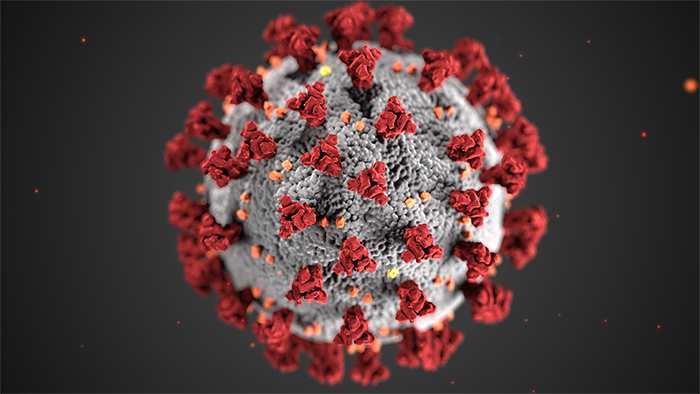
The real-time bioaerosol sampling system can detect a very low concentration of SARS-CoV-2 in the air.

Brooks-LaSure has more than two decades of experience in health policy and played a crucial part in the passage of the Affordable Care Act.
The record-high number of authorizations last year was a significant jump over 2019.

In an industry fraught with constant challenges, medtech leaders need to close the growing skills gap of their employee base and develop leadership from within. The pandemic’s impact on an increasingly remote workforce has caused companies to adopt a new approach to cultivating emerging leaders.
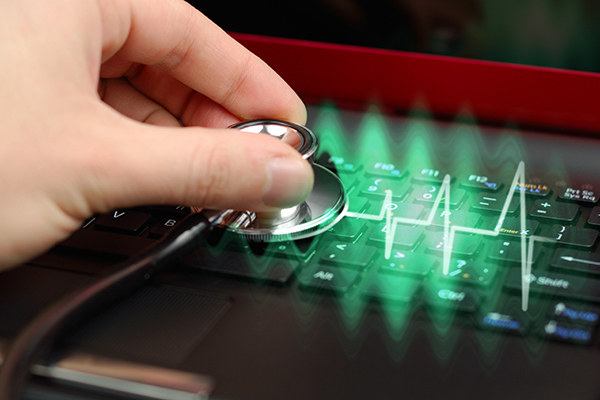
A mere 13% of IoMT leaders believe their organization is in a good place to mitigate future risks related to cybersecurity.
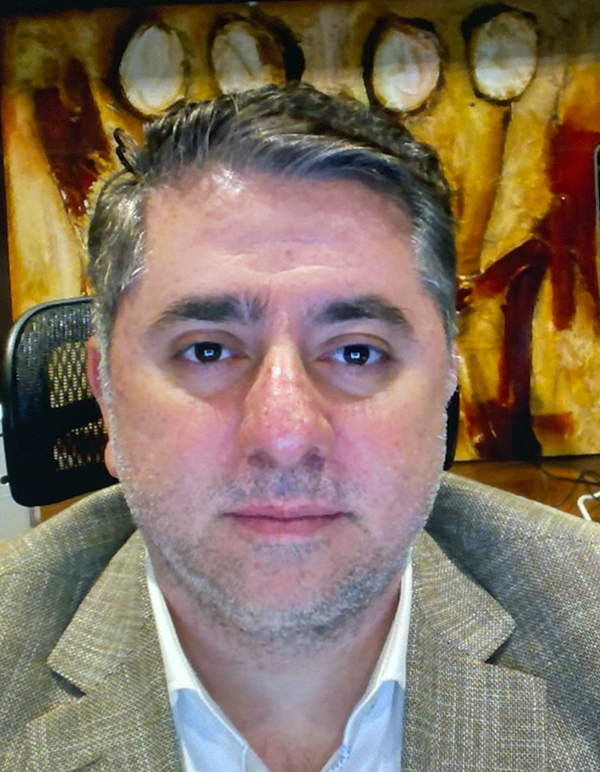
Critical care hasn’t had many breakthroughs in recent years and in order to change that, I believe we need to put more of an emphasis on integrating technology—specifically artificial intelligence (AI) —into the field.

The agency created the new post within CDRH, effective January 1.

With the accelerated adoption of many new technologies, ECRI’s annual health technology hazards list has been transformed by the COVID-19 pandemic.

Data integration is doing much to enhance regulatory information management. Life sciences companies are increasingly discovering useful interdependencies between data, documents and RIM processes. The next step is to put this data to work to improve efficiency.


