

Medical device companies are committing significant resources to the fight against Covid-19. Collaboration tools can help expedite product design while supporting evolving compliance standards.

Medical device companies are committing significant resources to the fight against Covid-19. Collaboration tools can help expedite product design while supporting evolving compliance standards.

Without even factoring in the effects of COVID-19, ransomware attacks against healthcare providers have significantly increased. We must be ready to detect and respond to them before damage can be done.

COVID-19 requires us to rethink our current device disinfection procedure.

The most successful medical device companies have the same characteristic in common: They’re cross-functional. Whether it be the device design and development activities or quality and regulatory affairs, every operation works together to produce and market medical devices that improve patients’ lives.

Artificial intelligence and machine learning are proving to be meaningful weapons in our arsenal during the coronavirus crisis.

The hope is that healthcare workers would be able to reuse masks for a longer period of time.

Vulnerability sharing arms stakeholders with the information they need to assess devices, minimize cybersecurity risks and proactively mitigate emerging risks to prevent exploitation.
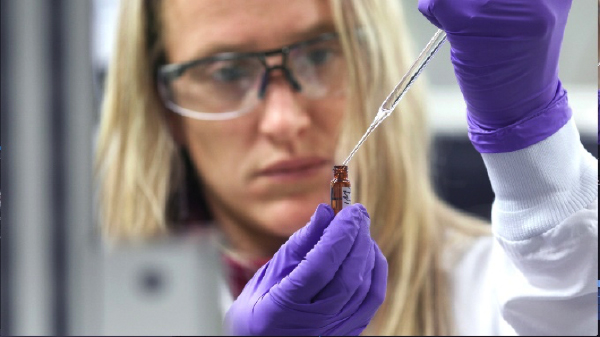
Make sure your 510(k) submissions pass with flying colors. Explore the latest regulations impacting bacterial endotoxin testing.
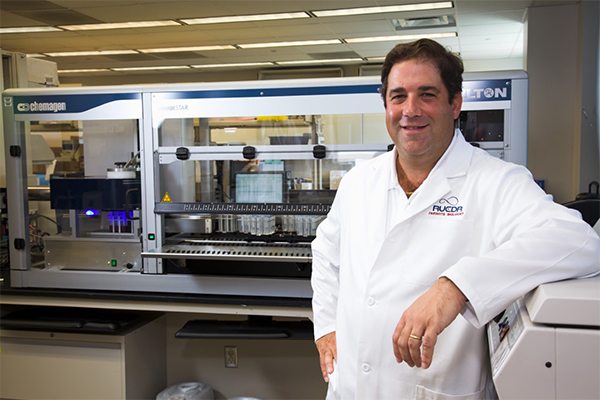
It is the first federal approval for a test that uses saliva as the primary test biomaterial for COVID-19.

A lot of promises are made by organizations about making systems more intuitive, convenient and user-centric, but in reality most improvements tend to be designed to meet regulatory or internal system needs rather than better serve the people who use them. The user experience needs to be modernized, especially in heavily regulated industries where inaccurate or non-compliant labeling is laden with risk.


