

As the proliferation of connected and complex medical devices grows, healthcare providers are more susceptible to cyberattacks.

As the proliferation of connected and complex medical devices grows, healthcare providers are more susceptible to cyberattacks.

This year’s virtual event features experts from medical device companies, hospitals and government organizations.

As COVID-19 sweeps the globe, it’s becoming increasingly difficult for medical device leaders to navigate the arising challenges and prepare for the future.

Networks enable the use of critical resources, including telehealth services, medical IoT technology,and staff and personal devices. It is critical to have a reliable WiFi network to support these devices.

The pace of innovation in the ICU is orders of magnitude slower than that of the cath lab and OR, and the COVID-19 crisis has pushed, tested, and exposed ICUs for lacking state-of-the-art technology and resources.
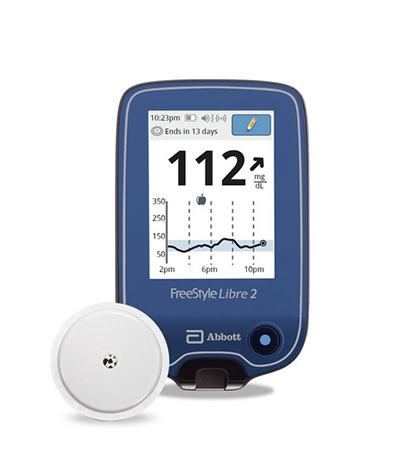
The FreeStyle Libre 2 now has indications for children ages four and older.

Medtech companies will need to collaborate more closely with other parties in healthcare, as the aftermath of the coronavirus pandemic will have a comprehensive reach throughout the entire ecosystem. MTI speaks with Johnson & Johnson VP Raymond Fryrear, M.D. on the topic.

Illumina’s COVIDSeq Test enables qualitative detection of SARS-CoV-2 RNA from respiratory specimens.

Digital technologies offer more efficient and patient-friendly distribution of the up-to-date manufacturing details and safety advice mandated by regulators. But many firms in the medtech sector are not maximizing the opportunity to deliver regulated product information digitally.

In a Q&A with Zipnosis, Catherine Murphy explains the uptick in telehealth visits and how it is changing the continuum of care.


