

The increasing incidence of hearing loss and neurological diseases has prompted the development of convenient and enhanced solutions in wearable healthcare devices.

The increasing incidence of hearing loss and neurological diseases has prompted the development of convenient and enhanced solutions in wearable healthcare devices.

Diagnostic advances bode well for the imminent expansion of the global COVID-19 detection kits market, which is expected to be worth $8 billion by 2027.

Greater use of next generation sequencing can better prepare the world for future diseases and accelerate the adoption of precision care.
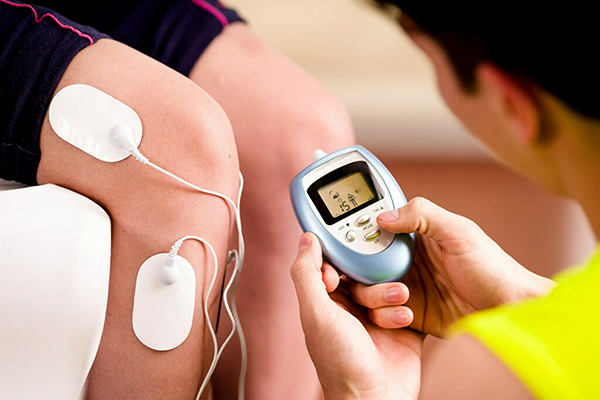
Adhesive selection can make or break the success of a stick-to-skin wearable device. This article reviews six questions to ask the next time you design a device intended for wear on fragile skin.

To change the landscape of cyber threats in healthcare, companies must prioritize designing security into devices.

The government alleges that the company did not disclose serious health events in certain implantable defibrillators.

Automating validation processes gives manufacturers the flexibility and capability to make changes, updates and re-validation, making it easier to upgrade or add new MES modules to their process. Simplifying the process through automation leads to faster ROI and time to market.

Digital twins have the capability to enable safer medical devices and improve overall patient outcomes.

Medical device manufacturers can accelerate their digital transformation priorities through lean practices to better manage supply chain risk, complexity and disruptions.

FDA also supports the removal of the HeartWare HVAD System from the market.


