On April 17, the FDA is hosting a Virtual Public Workshop on approaches to Accreditation Scheme for Conformity Assessment Expansion.

On April 17, the FDA is hosting a Virtual Public Workshop on approaches to Accreditation Scheme for Conformity Assessment Expansion.

IoT is a key factor in patient-focused digital transformation. The technology enhances precision lab equipment and operations, providing greater clarity of medical data, streamlining experimentation and fueling industrial automation.

The Investigational New Drug (IND) application and the New Drug Application (NDA) stages are critical milestones in drug development, but they are different applications. Developers and sponsors must understand which application requires which data and when. Here we highlight strategies, hurdles and data required for successful drug development from IND to NDA.

Implementing a hybrid work environment with R&D teams yields significant benefits but also presents challenges. In this article, we explore how to achieve successful R&D programs within the context of hybrid environments and share key strategies and best practices to effectively navigate the challenges, including the safeguarding of sensitive information and data.

The Rubitection skin assessment management tool for chronic wounds and Kofimi Technology’s pediatric pulse oximeter device received a combined $50,000 in grant funding as part of the ADPI-led pitch competition.

As the proliferation of wearable healthcare devices expands in terms of application and availability, they’re also becoming smaller and more powerful. In turn, testing and validation in the design phase is becoming increasingly complex.
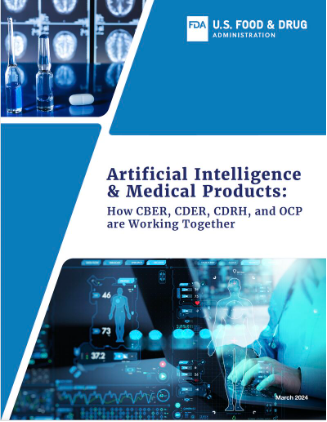
“Artificial Intelligence and Medical Products: How CBER, CDER, CDRH, and OCP are Working Together” outlines how FDA’s medical product centers plan to address regulation of AI used in medical products and their development.
Mayo Clinic News Network/ — In a review published in Cancers, the researchers note that this emerging class of AI offers an innovative way to use massive datasets to help discover the complex causes of diseases such as cancer and improve treatment strategies.

Traditional screening tests suffer from a range of challenges. From logistical barriers to concerns regarding accuracy and reliability, achieving accurate diagnosis is frequently arduous. Imagine a revolutionary approach where early disease screening becomes as simple as collecting a breath sample. Thanks to cutting-edge sensor technology and advanced artificial intelligence, this vision is now on the brink of realization.
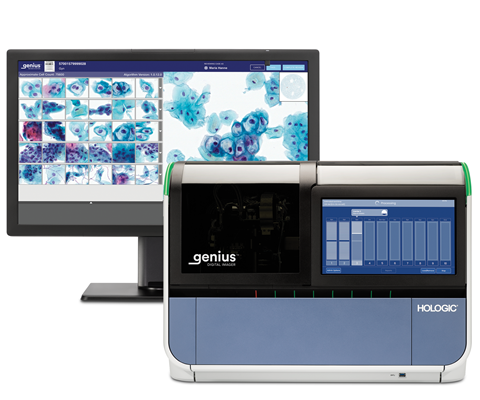
In February, Hologic received FDA clearance for its Genius Digital Diagnostics System, which combines advanced imaging with AI-assisted review for cervical cancer screening. We spoke with Mike Quick, who led the development of the technology, and Dr. Hans Ikenberg, director of one of the first labs to work with the system.