

The research team used focused rotary jet spinning to create polymeric materials that were then seeded with cardiomyocytes to create a biohybrid model of human ventricles with helically aligned beating cardiac cells.

The research team used focused rotary jet spinning to create polymeric materials that were then seeded with cardiomyocytes to create a biohybrid model of human ventricles with helically aligned beating cardiac cells.

John Mastrototaro, Ph.D., biomedical engineer and CEO of Movano discusses strategies to improve data accuracy, the convergence of consumer wearables and medical remote monitoring devices and what healthcare providers are seeking in remote data delivery.
“Addressing unmet needs across pediatric populations is critical to advancing children’s health, and we are delighted to once again work with pioneering companies that seek to bridge this care gap.”

Nondisclosure agreements (NDAs) can help protect trade secrets and build a framework for better cooperation and understanding between parties. Following are some key areas to consider when creating an NDA.

Both legacy players and startups have an important role to play when it comes to medical innovation—they need to work together to meet the increasing demand for minimally invasive treatments, value-based care and innovative, not incremental therapies. This is a mutually beneficial relationship that is key to medical technology development.

How can AI become a beneficial medical device manufacturing technology? This article reviews some examples of how it excels.

The long-awaited part 23 of ISO 10993, the series of standards governing Biological Evaluation of Medical Devices, was published in January 2021. It was the first to introduce validated methods for in-vitro irritation tests. This article reviews the latest developments and identifies the cases in which manufacturers can avoid animal experiments.
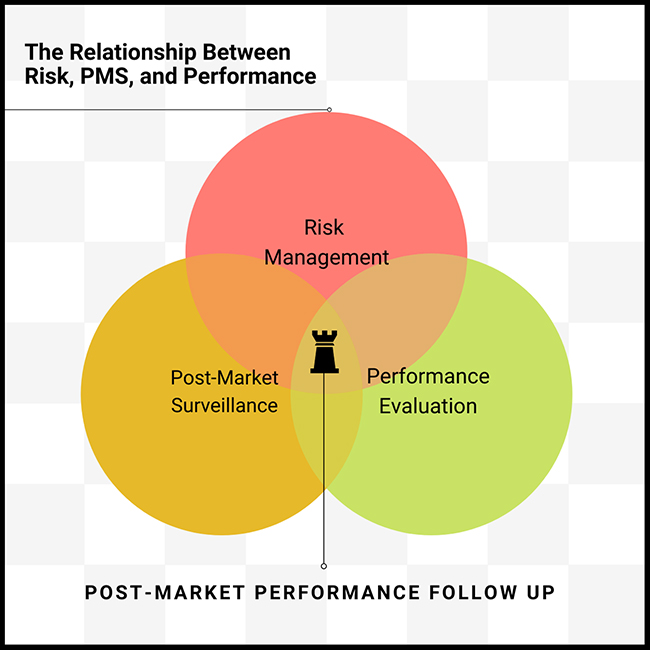
Understanding EU MDR and IVDR: The goal of EU MDR and IVDR is to ensure safety by asking manufacturers to provide evidence that their products are safe (disclosing any risks), effective (performing as expected), and state of the art (compared to industry benchmarks).

Russia’s invasion of Ukraine has increased the potential for cyberattacks against U.S. healthcare systems.

Building fruitful development partnerships between companies, governments and researchers will enable the most promising and impactful deployments in healthcare.


