

In this series we examine the future of the medical device industry—from manufacturing to the consumer-patient experience.

In this series we examine the future of the medical device industry—from manufacturing to the consumer-patient experience.

The Q-Collar uses jugular compression to help protect an athlete’s brain from the effects of repetitive head impacts.

We have the opportunity to refine processes that were implemented in a hurry during the pandemic, along with the insight to improve the entire healthcare system.

Brooks-LaSure has more than two decades of experience in health policy and played a crucial part in the passage of the Affordable Care Act.
The record-high number of authorizations last year was a significant jump over 2019.

Among the many lessons from the COVID-19 pandemic, it’s clear that the future of healthcare belongs to those who can harness science and technology—sometimes rapidly—to improve population health through more efficient and accessible care.

It’s time for these companies to bridge the knowledge gap and transform how healthcare information is accessed and used.
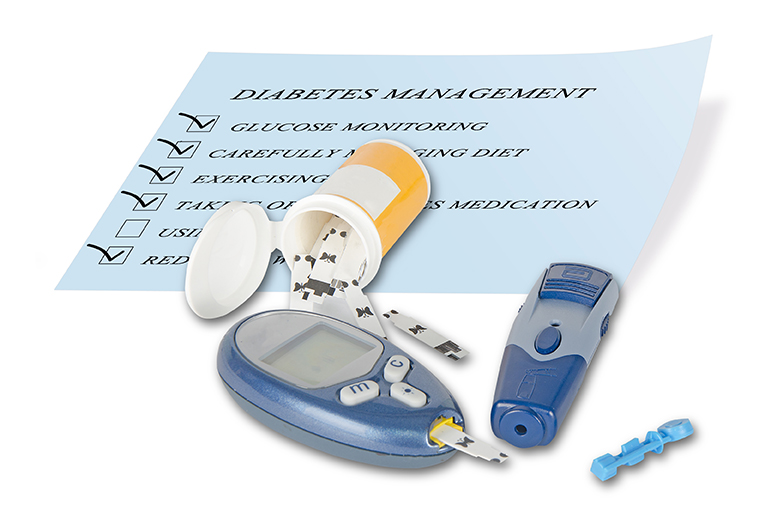
Seamless and personalized diabetes care has become a new normal.

Quantum computing has spurred the development of new breakthroughs in life sciences from using machine learning methods to diagnose illnesses sooner to identifying materials to make more efficient devices.

In an industry fraught with constant challenges, medtech leaders need to close the growing skills gap of their employee base and develop leadership from within. The pandemic’s impact on an increasingly remote workforce has caused companies to adopt a new approach to cultivating emerging leaders.


