FDA Issues Cybersecurity Alert About Vulnerabilities in Software Components

Unauthorized access could allow an attacker to take full control of the host operating system.

Unauthorized access could allow an attacker to take full control of the host operating system.


Russia’s invasion of Ukraine has increased the potential for cyberattacks against U.S. healthcare systems.


Five steps to better protect providers, medtech companies, their networks, data and patients from a cyberattack.


The threat of an attack is imminent. It is critical for medical devices and systems, as well as healthcare facilities to have the right safeguards in place.


Increased use of remote and telehealth programs, networked medical devices, and “smart” product storage come with their own inherent risks.
The agency is encouraging medical device manufacturers to evaluate their risk and take action to remediate any vulnerability.


Despite the high stakes of data vulnerabilities to the entire healthcare system, governments in Asia lag behind in mandating cybersecurity measures, leaving manufacturers to install and maintain systems to protect against cyber criminals.


While connected capabilities and wireless technology certainly lead to greater patient care, they also expose devices to greater cybersecurity risks.


Without even factoring in the effects of COVID-19, ransomware attacks against healthcare providers have significantly increased. We must be ready to detect and respond to them before damage can be done.
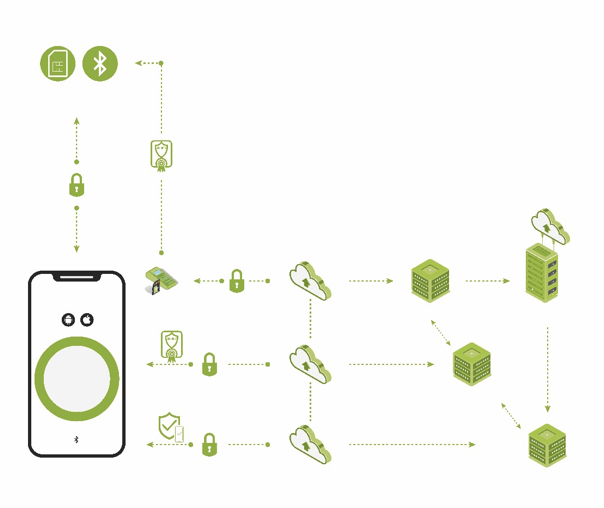
The more devices are connected, the more that targets are present for remote attackers.