
AI-Assisted Surgical Training

AI can support device innovation and surgical training, but it requires data and collaboration.

AI can support device innovation and surgical training, but it requires data and collaboration.


The upcoming revision to ISO 10993-17 proposes the use of release kinetics data to support toxicological risk assessments. Manufacturers should expect that this data will be needed to help mitigate the risks identified in exhaustive extraction studies.


Rapid developments in healthcare technology, combined with improved data collection, pandemic pressures and increased consumer demand for tech-enabled and virtual health care, are fueling innovation and transformation in the digital health space.


The second part of this two-article series on digital therapeutics (DTx) sheds light on challenges faced by the companies in the DTx market and outlines hurdles that must be overcome to achieve success.


Nondisclosure agreements (NDAs) can help protect trade secrets and build a framework for better cooperation and understanding between parties. Following are some key areas to consider when creating an NDA.
Digital therapeutics (DTx) have the potential to lower healthcare costs and improve patient compliance, outcomes and access to care. In the first part of this two-article series we look at the current and potential applications for this growing sector of digital health as well as key considerations for technology developers.


On the journey to full-scale production for medical devices incorporating optics, a series of steps early in the process can make all the difference for successfully launching new products and introducing next-generation upgrades. This article discusses four considerations for a successful product launch.


Patient-administered healthcare is one of the fastest-growing segments in the medtech industry. When the patient becomes the operator, usability requirements are vastly different than those of trained clinicians, which elevates considerations in the design process.
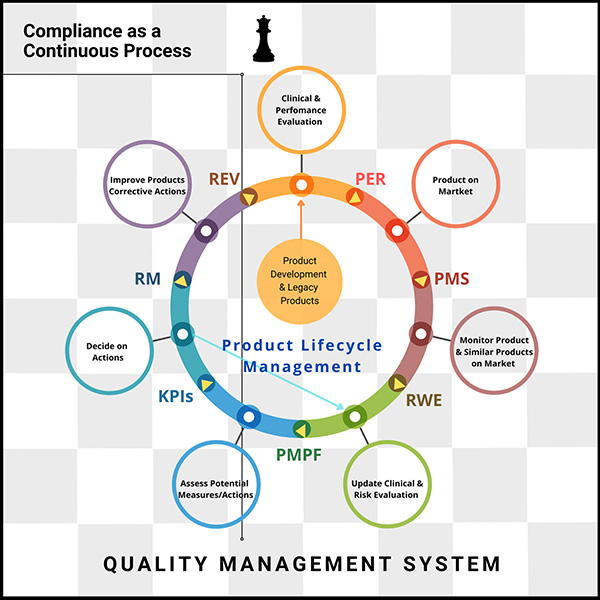

The only constant today is change itself.


The long-awaited part 23 of ISO 10993, the series of standards governing Biological Evaluation of Medical Devices, was published in January 2021. It was the first to introduce validated methods for in-vitro irritation tests. This article reviews the latest developments and identifies the cases in which manufacturers can avoid animal experiments.