
MedTech organizations need to focus on the human factor of change and achieve top-down alignment, buy-in, accountability, and clear communication along the way.

MedTech organizations need to focus on the human factor of change and achieve top-down alignment, buy-in, accountability, and clear communication along the way.

Recently, biocompatibility consultant, MedTech enthusiast and chemist, Marina Daineko, shared a series of LinkedIn posts defining, medical device biocompatibility and the need for a Medical Device biological risk assessment “framework.” Following is a reposting of Marina’s original LinkedIn series.

Fraudulent data is becoming more common by the submission. So much so that the FDA recently published a press release reminding medical device manufacturers to scrutinize Third-Party Generated Data.” Regulatory consultant, Michelle Lott, discusses the agency’s use of artificial intelligence to find unusual patterns in submitted data and how you might guard against using fraudulent 3rd-party data.
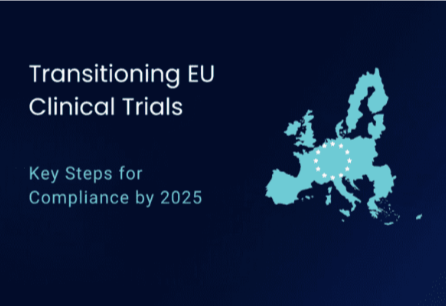
To streamline processes, enhance transparency, and improve the overall efficiency of conducting clinical trials in the EU/EEA, the 3-year transition period from the CTD to the CTR requirements was established. With the end of the transition period approaching, all ongoing clinical trials that were approved under the CTD will have to be fully be transitioned to comply with the CTR. Failure to comply by 2025 will bring serious consequences.
In the light of new research, Peter Muller and Mike Baird of Schlafender Hase assess how well Class 2 and 3 device manufacturers in Europe and the US are adapting to a rise in regulatory controls.
nsuring the safety and efficacy of medical devices/IVDs is paramount in the healthcare industry. This critical objective is achieved through comprehensive risk management practices, and two key frameworks play a crucial role: ISO 14971:2019 and the FDA Quality Management System Regulation (QMSR). This essay explores their individual contributions and how they work synergistically to enhance medical device safety.

Navigating the conformity assessment process – examination of a manufacturer’s technical documentation and quality management system – requires a thorough understanding of the different routes and options available for various risk classifications of medical devices and IVDs, while knowledge of the conformity assessment process helps manufacturers prepare effectively and manage expectations. This blog offers guidance for creating successful conformity assessments.

Misconceptions about using Regulatory Information Management (RIM) platforms to manage MedTech regulatory workflows. Here, we Bust 3 Naysayer Myths.
Law firm, Hogan Lovells, analyses the implications of the AI Act for the Medtech sector and highlight a number of key challenges for medical device manufacturers and their partners in aligning conformity routes for their products under the AI Act.
Diagnostic manufacturers and pharmaceutical sponsors with therapeutics that rely on biomarker identification or companion diagnostics should adjust their commercialization and partnership strategies to fit the new regulatory environment.