

U.S. companies are increasingly engaging with organizations worldwide to push innovation in nanotechnology forward.

U.S. companies are increasingly engaging with organizations worldwide to push innovation in nanotechnology forward.
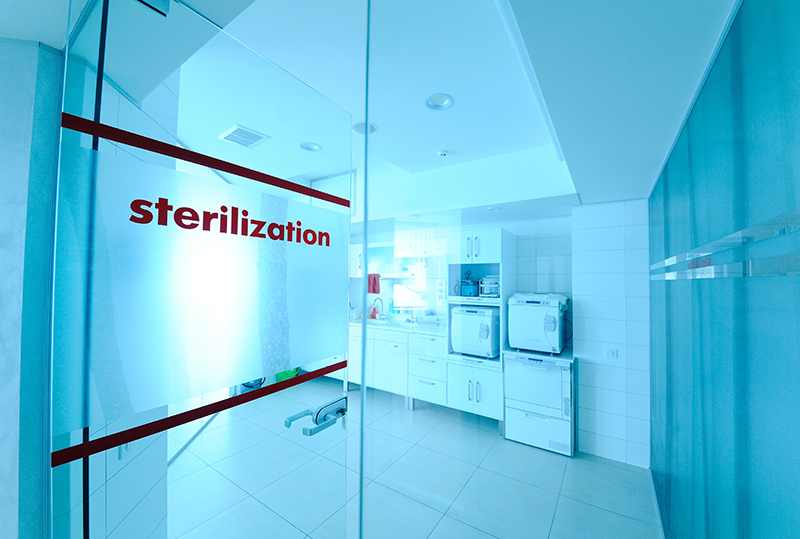
The FDA requires medical device manufacturers to demonstrate the sterility of their products. Whether a device functions in vivo or in vitro, sterility is crucial to ensuring patient safety and maximizing device functionality.
There are also reports that Elizabeth Holmes, as part of her defense, may argue ex-boyfriend and former Theranos President Sunny Balwani abused her during their relationship.

The COVID-19 pandemic has changed hospital processes and made people more aware of the need to thoroughly sterilize medical instruments between patients. This article discusses some of the changes that may occur due to lessons learned throughout the global health emergency.
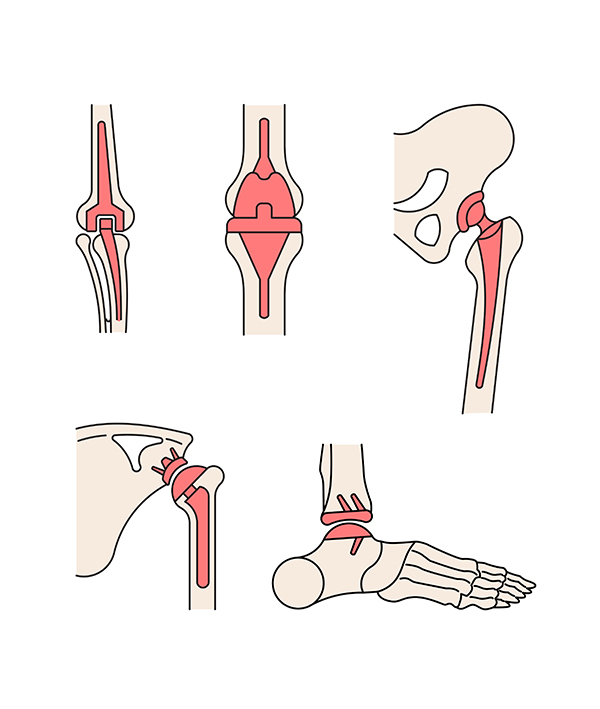
The dynamics of the joint reconstruction devices industry has strengthened with consistent technological improvements, including the adoption of 3-D printing.

In a company release, Gorsky stated the decision comes at the right time both professionally as well as personally, as he must focus on family health. Current Vice Chairman of the company’s executive committee, Joaquin Duato, will serve as new CEO, effective January 3, 2022.

As more medtech companies take advantage of the game-changing technology to innovate and advance products, they must anticipate the need to obtain trustworthy, evidence-based comprehensive data—and be prepared to do their own due diligence to verify the chain of evidence and meet increasingly stringent regulatory requirements.
Automation handling with integrated controls can assist with laser marking for all shapes, sizes and materials used in the manufacture of medical devices. This approach can offer flexibility, along with the ultimate precision necessary, to support the UDI system, which provides a clear framework that defines the form in which information should be encoded on the device in accordance with its classification.

The vulnerability could allow a remote attacker to gain access to highly sensitive systems.

Modern technology has given rise to new legal questions. How does FDA regulate machine-learning computers that are changing so rapidly – given that the approved product may be drastically different than the product that ends up on the market? These questions arise from a lack of understanding of the complex nature of AI/ML-based SaMD, the opaqueness of the regulatory framework, and a dearth of relevant case law.


