
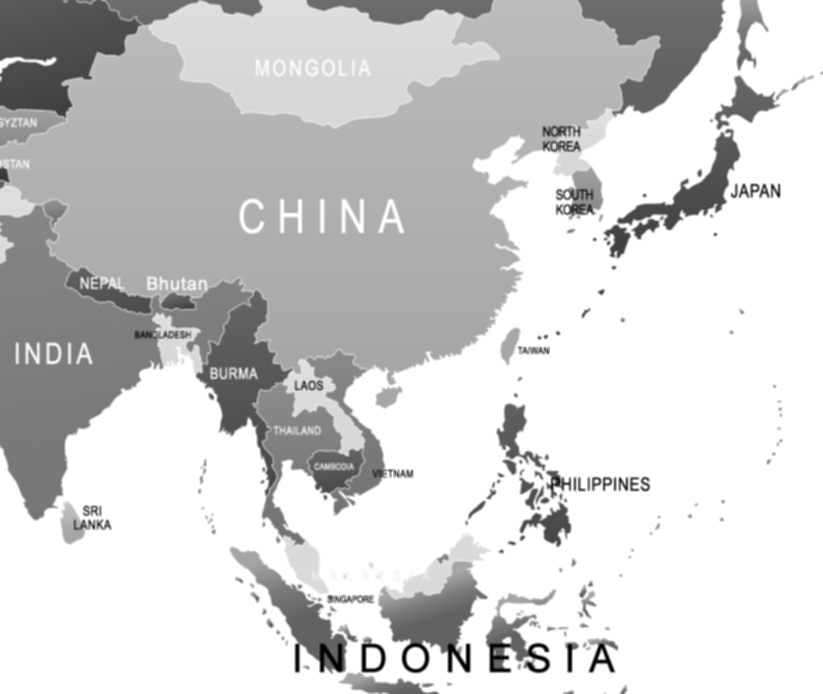
With the increase of diabetes prevalence in Asia and the rise of Asia’s middle classes, the demand for newer and better treatments will provide opportunities for Western medtech companies.

With the increase of diabetes prevalence in Asia and the rise of Asia’s middle classes, the demand for newer and better treatments will provide opportunities for Western medtech companies.
As standalone software becomes increasingly sophisticated, a number of regulatory bodies have begun to draft separate guidelines to ensure quality control, expedite product approval, and improve patient access to new technologies.
Global sports medicine is predicted to grow to around $35 billion by 2022, with the Asian market growing at a compound annual growth rate of nearly 7 percent.

The removal of communication barriers and ambiguity allows technology providers to focus on their own inherent system benefits.

Simply stated, an inspection needs to add some value; otherwise, what’s the point?

By adhering to FDA recommendations and leveraging the expertise of proven cyber testing methods, manufacturers can tackle known cybersecurity issues today while also attempting to anticipate concerns that may lie ahead.

This year’s MEDICA will showcase on current trends and applications in wearable technology.

It is surprising how little many people in the medical device industry know about freely-, widely-available resources. Often, many do not know how easy it is to find the regulations and the preambles, or about the existence of Food and Drug Administration mailing lists, phone directories and databases. MedTech Intelligence presents a basic list of non-commercial regulatory reference links, most from FDA itself. Undoubtedly, we have missed some. Send us your suggestions to make this a ‘living, growing’ list.
If a device establishment is going to invest significant time and money into building a cleanroom or a controlled environment room, it makes zero sense not to perform proper monitoring of the environment.

The new European Regulation related to medical devices – as adopted by the European Union (EU) Council on 5 April 2017 – does not provide 3D printing with a specific status, raising questions regarding the regulations applicable to this medical innovation.


