

Health IT interoperability advocacy group, The Sequoia Project released its latest Data Usability Implementation Guide including added guidance for receiving systems, advanced baseline requirements from USCDI V1, and more.

Health IT interoperability advocacy group, The Sequoia Project released its latest Data Usability Implementation Guide including added guidance for receiving systems, advanced baseline requirements from USCDI V1, and more.
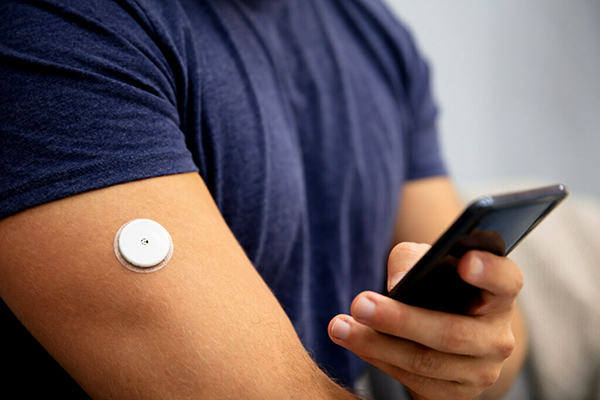
Wearables are changing the game for health monitoring. From smartwatches and rings to skin patches, glasses, and even bras, companies are in a race to bring the latest innovations to market. But as this trend gains momentum and competition heats up, so do concerns about potential risks like data privacy, cybersecurity vulnerabilities, and the possibility of inaccurate health readings that could critically impact user safety.

The integration of technology and connectivity into healthcare is not only improving patient outcomes but also reshaping the way care is delivered.
Cardiovascular conditions are the leading cause of death. Fortunately, industry leaders are discovering innovative ways to diagnose and treat them. See how mobile apps and AI will change this field in 2025 and beyond.

“Technological progress presents its own challenges, principal among them is that it risks overwhelming healthcare systems with diagnoses of large numbers of patients whose symptoms may be treatable.”
MTI Viewpoints are insights shared by industry relative to healthcare and the advancement of medical technology.

The AI Training Dataset Market size is projected CAGR of 27.7% in the coming years. By 2024, the market had reached an approximate value of USD 2.82 billion and is forecasted to reach USD 9.58 billion by 2029, according to a new report by MarketsandMarkets™.

Billions of dollars are lost annually in medical billing errors resulting from data entry mistakes, outdated coding practices, and duplicated charges. Artificial Intelligence (AI) and Machine Learning (ML) are revolutionizing the process of claims processing, diagnostics, eliminating errors, streamlining workflow, and increasing the accuracy of claims submissions. Together with human oversight to ensure precision and safety, AI augments healthcare professionals to improve patient care and outcomes.

Could MedTech find itself as the collateral damage if an RFK Jr. run HHS “goes wild” with FDA regulation of pharma and processed foods?
In the face of sweeping Medicare changes for 2025, millions of seniors face the challenge of navigating a complex landscape of new options, increased costs, and altered benefits. Innovative technologies are emerging as crucial tools for both patients and healthcare providers, offering detailed cost comparisons, network analyses, and benefit breakdowns.


