

The dramatic increase of medical devices in patient care has yielded many benefits. However, this technology also carries various risks, including risks to patient privacy, that must be addressed.
The dramatic increase of medical devices in patient care has yielded many benefits. However, this technology also carries various risks, including risks to patient privacy, that must be addressed.

Regulatory requirements for computer systems validation (CSV) have long been in place, but their compliance requires considerable time and resources. In the life sciences industry, traditional validation processes add to project timelines and costs, affecting time to market and preventing the deployment of newer versions of software. In addition to improving accuracy and coverage, automated CSV processes can create the same artifacts as manual execution and expedite the upgrade timeline.

Connected medical devices have many advantages but require a higher level of security. If the medical industry doesn’t improve its cybersecurity posture, it could endanger patient privacy and lives.
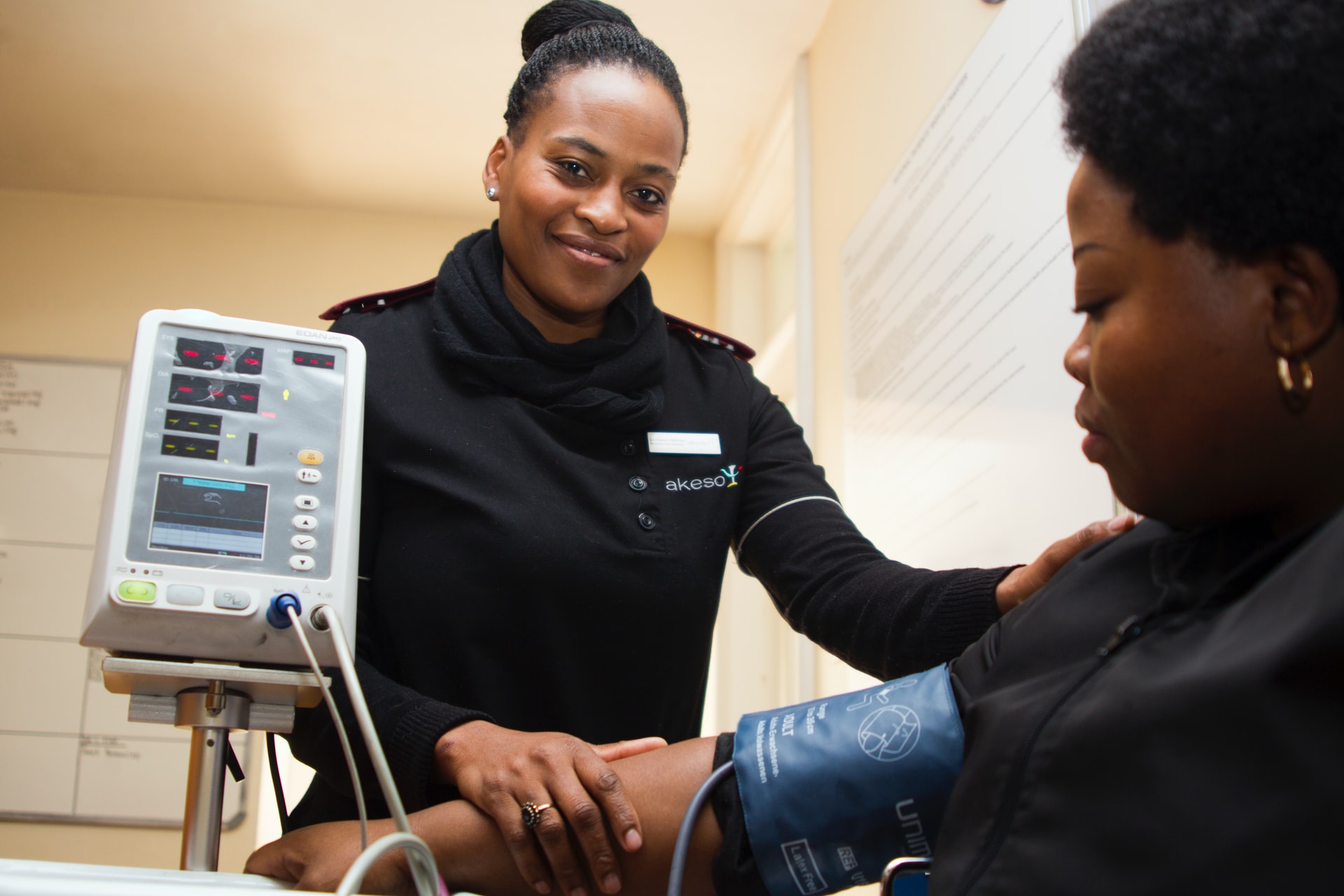
The growing availability of 5G networks is speeding the adoption of IoMT and allowing for new innovations, including drone delivery of medical supplies to rural areas, better surgical collaboration and 3D holograms for diagnoses and surgical planning.

Inaccurate data entry, discomfort and privacy concerns are among the issues that developers and designers must address to realize the promise of medical wearables.

Five steps to better protect providers, medtech companies, their networks, data and patients from a cyberattack.

Increased use of remote and telehealth programs, networked medical devices, and “smart” product storage come with their own inherent risks.


